

Blog

  • Jordan Salinas: The Bystander Who Risked Everything to Stop an Idaho Shooting

    In moments of crisis, ordinary people sometimes make extraordinary decisions. That is the story of Jordan Salinas, the Idaho man being widely praised for confronting an armed shooter during a deadly attack in Twin Falls, Idaho. While law enforcement continues investigating the incident involving suspect Chad Williams, Salinas’ actions have drawn national attention, with many describing him as a hero who acted instinctively to protect others despite enormous personal risk.

    Chaos Turned Into Courage

    The shooting unfolded suddenly, leaving bystanders scrambling for safety as panic spread through the area. Amid the confusion, Jordan Salinas chose not to flee immediately. Instead, according to eyewitness accounts and local officials, he confronted the alleged gunman in an effort to interrupt the attack and give others an opportunity to escape.

    Authorities have not suggested that Salinas was acting as a law enforcement officer. Rather, they say he was an ordinary civilian whose quick decision may have helped reduce further harm during the incident.

    Who Is Jordan Salinas?

    Although Salinas was largely unknown outside his local community before the shooting, his actions have made him a symbol of courage during an unfolding emergency.

    Public reports describe him as a local resident who found himself in an unimaginable situation and reacted without hesitation. Friends and community members have praised his willingness to put himself in danger for the safety of complete strangers.

    Why His Actions Matter

    Security experts often emphasize that active shooter situations evolve within seconds, leaving little time for deliberate planning. While emergency guidance generally encourages people to run, hide, and follow law enforcement instructions whenever possible, every incident unfolds differently.

    In this case, Salinas reportedly acted during a rapidly changing situation when immediate decisions carried life-or-death consequences. Officials continue investigating the precise sequence of events, but many observers believe his intervention demonstrated exceptional courage under pressure.

    Community Hails an Everyday Hero

    As details of the shooting emerged, tributes to Salinas quickly spread across social media and local communities.

    Many residents described him as someone who placed the safety of others above his own, while community leaders praised his bravery during an extraordinarily dangerous event. Although investigations remain ongoing, his actions have become one of the defining stories to emerge from the tragedy.

    Investigation Into the Shooting Continues

    Authorities continue examining the circumstances surrounding the attack, including the alleged actions of Chad Williams before and during the incident.

    Investigators are reviewing witness statements, surveillance footage, and forensic evidence to establish a complete timeline. Officials have urged the public to avoid speculation until the investigation is complete and all facts have been verified.

    A Reminder of Human Courage

    Incidents like this often highlight not only the devastating consequences of gun violence but also the remarkable courage displayed by ordinary individuals during emergencies.

    Jordan Salinas’ reported actions serve as a reminder that acts of bravery can emerge from unexpected places, even in the most frightening circumstances. While first responders ultimately bring these situations under control, civilians sometimes make split-second decisions that can influence how events unfold.

    Looking Ahead

    As Idaho continues to recover from the shooting, the focus remains on supporting victims, understanding what happened, and completing a thorough investigation. At the same time, Jordan Salinas has become a powerful example of selflessness, with many viewing his actions as a testament to the courage that ordinary people can display when confronted with extraordinary danger.

  • Why Nauru Became Naoero: The Tiny Island Nation Reclaiming Its Identity

    One of the world’s smallest countries has made a symbolic change with global significance. The Pacific island nation formerly known as Nauru has officially adopted the name Republic of Naoero, marking a return to its traditional Indigenous name and reflecting a broader effort to reclaim its cultural identity after decades of colonial influence. Far more than a simple rebranding exercise, the decision represents a statement about history, language, and national self-determination.

    Returning to an Indigenous Name

    The name “Naoero” has long existed in the country’s native language and appears on its national coat of arms. According to President David Adeang, the internationally recognized spelling “Nauru” emerged because colonial administrators and foreign visitors found the original pronunciation difficult.

    By restoring the traditional name, the government says it is honoring the nation’s heritage, language, and identity rather than introducing something entirely new.

    More Than a Name Change

    Officials emphasize that the decision is about restoring historical identity rather than changing the country’s political system or international status.

    Alongside the new official name:

    • The country will now be formally known as the Republic of Naoero.
    • Citizens will be referred to as dei-Naoero.
    • The international country code will gradually change from NRU to NRO as global organizations update their records.

    Part of a Global Trend

    Naoero joins a growing number of countries that have adopted Indigenous or locally preferred names in recent years.

    Governments around the world have increasingly sought to replace colonial-era names with those that better reflect native languages and historical traditions. Similar moves by countries such as Eswatini and Türkiye demonstrate a broader international trend toward reclaiming cultural identity through official naming.

    A Nation With a Unique History

    Although geographically tiny—covering just 21 square kilometers and home to roughly 12,000 people—Naoero has experienced an extraordinary history.

    The island became wealthy during the phosphate mining boom of the 20th century before facing economic challenges as reserves declined. Today, it is also among the countries most vulnerable to climate change and rising sea levels, making national identity an increasingly important part of its international profile.

    Why Identity Matters for Small Nations

    For larger countries, a name change may appear largely symbolic. For a small island nation, however, official recognition of its traditional name can strengthen cultural preservation, reinforce national unity, and increase international awareness of its unique history.

    Government leaders say the change is intended to ensure that future generations identify with a name rooted in their own language rather than one adapted for colonial convenience.

    International Recognition Underway

    Following the announcement, the government began notifying international organizations, foreign governments, and global institutions of the official change.

    Maps, diplomatic records, aviation registrations, shipping documentation, and international databases are expected to transition gradually to the new name as countries and organizations update their official records.

    Looking Ahead

    The transformation from Nauru to Naoero illustrates how names can carry far greater significance than geography alone. For the Pacific nation, the decision is not simply about changing what appears on maps—it is about restoring a piece of its history, protecting its language, and presenting its identity to the world on its own terms.

  • U.S. Military Seeks Fresh Strategies as Pressure Campaign Against Iran Enters New Phase

    The United States is reportedly reassessing its approach toward Iran after months of escalating tensions, with senior military officials encouraging analysts to develop “creative and unconventional” ways to increase pressure on Tehran. The move suggests that Washington is looking beyond traditional military options as it attempts to influence Iran’s strategic decisions while avoiding a wider regional conflict.

    Pentagon Signals a Strategic Rethink

    According to reports, a senior officer within U.S. Central Command (CENTCOM) circulated a request asking military analysts to propose new methods to “pressure and punish Iran.”

    The appeal reportedly reflects growing recognition that conventional military actions alone have not produced the desired political outcomes. Instead, officials are exploring a broader range of options that could strengthen U.S. leverage without automatically escalating into a larger war.

    Looking Beyond Conventional Military Responses

    The reported request does not necessarily indicate plans for new military strikes. Rather, analysts say it highlights an effort to evaluate multiple tools available to policymakers, including diplomatic, economic, cyber, intelligence, and information-based measures.

    Modern conflicts increasingly rely on a combination of military and non-military instruments, with governments seeking ways to influence adversaries while managing the risks of direct confrontation.

    Iran Remains Defiant

    Tehran has continued to reject U.S. pressure, maintaining that it will not negotiate under military or economic coercion.

    Iranian officials have repeatedly criticized Washington’s actions in the region and insisted that any future dialogue must respect Iran’s sovereignty and security interests. These opposing positions have kept diplomatic progress limited despite periodic calls for renewed negotiations.

    Why Washington Is Adjusting Its Strategy

    Military experts note that prolonged regional conflicts often require policymakers to continually reassess their approach.

    After months of heightened tensions, Washington appears to be examining whether alternative forms of pressure could prove more effective than relying primarily on military operations. The reported request for new ideas suggests an emphasis on adaptability rather than a commitment to any single course of action.

    Regional Stability Remains at Stake

    Any change in U.S. strategy is likely to be closely monitored across the Middle East.

    Countries throughout the region remain concerned that further escalation could affect maritime security, energy supplies, and broader regional stability. Diplomatic efforts by several intermediary nations continue alongside military preparedness, reflecting the complex balance between deterrence and negotiation.

    A Broader Shift in Modern Military Planning

    The reported directive also highlights how modern armed forces increasingly encourage innovation in strategic planning.

    Rather than relying solely on conventional battlefield operations, military organizations now routinely examine cyber capabilities, economic pressure, intelligence gathering, technological innovation, and information operations as part of comprehensive national security strategies.

    Looking Ahead

    The reported search for “creative and unconventional” options signals that the United States is reviewing how best to influence Iran while avoiding an uncontrollable regional escalation. Whether these discussions lead to new policies, expanded diplomatic efforts, or alternative forms of strategic pressure remains uncertain.

  • 25 U.S. States Challenge Trump’s New Tariffs, Escalating Fight Over Presidential Trade Powers

    A major legal battle is unfolding in the United States after a coalition of 25 states filed a lawsuit against the Trump administration, arguing that the latest round of import tariffs exceeds presidential authority and effectively imposes taxes without congressional approval. The case could become one of the most significant tests of executive power over U.S. trade policy in recent years.

    States Say the Tariffs Bypass Congress

    The lawsuit, filed in the U.S. Court of International Trade, contends that the administration’s new tariffs function as taxes on imported goods and therefore should not be imposed solely through executive action.

    The coalition argues that the White House is attempting to revive broad trade restrictions that were previously struck down by the U.S. Supreme Court earlier this year. State attorneys general claim the new policy exceeds the legal authority granted under existing trade laws and shifts a constitutional power reserved for Congress.

    A New Legal Strategy After Earlier Court Defeat

    The latest tariffs target imports from dozens of trading partners and are based on Section 301 of the Trade Act of 1974, with the administration citing concerns over forced labor in global supply chains.

    Opponents argue that the new justification is being used to replace earlier emergency tariffs that courts ruled were unlawful. According to the lawsuit, changing the legal basis does not resolve the underlying constitutional concerns about the scope of presidential authority over taxation and international trade.

    White House Defends Its Trade Policy

    The Trump administration maintains that the tariffs are legally justified and designed to protect American workers while encouraging fairer international trade practices.

    Officials argue that the measures are intended to address unfair trade behavior and strengthen supply-chain standards, particularly regarding allegations of forced labor in manufacturing. The administration insists that Section 301 provides sufficient legal authority for the action.

    Economic Impact Could Extend Beyond the Courtroom

    If the tariffs remain in place, businesses importing products from affected countries could face higher costs, potentially leading to increased prices for manufacturers, retailers, and consumers.

    Trade experts note that uncertainty surrounding the legal challenge may also influence investment decisions and supply-chain planning as companies wait for greater clarity on future U.S. trade policy.

    A Broader Debate Over Executive Power

    Beyond trade, the lawsuit raises broader constitutional questions about the balance of power between the executive and legislative branches.

    The states argue that allowing presidents to impose sweeping tariffs without congressional approval could significantly expand executive authority over taxation and economic policy. Legal scholars believe the case may further define the limits of presidential powers in future trade disputes.

    International Partners Watching Closely

    The dispute is being closely monitored by U.S. trading partners, many of whom could be affected by the outcome. A court decision overturning the tariffs could reshape ongoing trade negotiations, while a ruling in favor of the administration may reinforce the use of tariffs as a central tool of U.S. foreign and economic policy.

    Global markets are also following the case because changes to U.S. tariff policy often influence international supply chains, commodity prices, and cross-border investment.

    Looking Ahead

    The lawsuit marks the latest chapter in an ongoing struggle over how much authority a U.S. president should have in setting trade policy. While the administration argues that the new tariffs are essential to protecting American economic interests, the coalition of states insists they represent an unlawful expansion of executive power.

  • Iran Rejects U.S. Pressure as Trump Calls Current Diplomacy a ‘Last Chance’

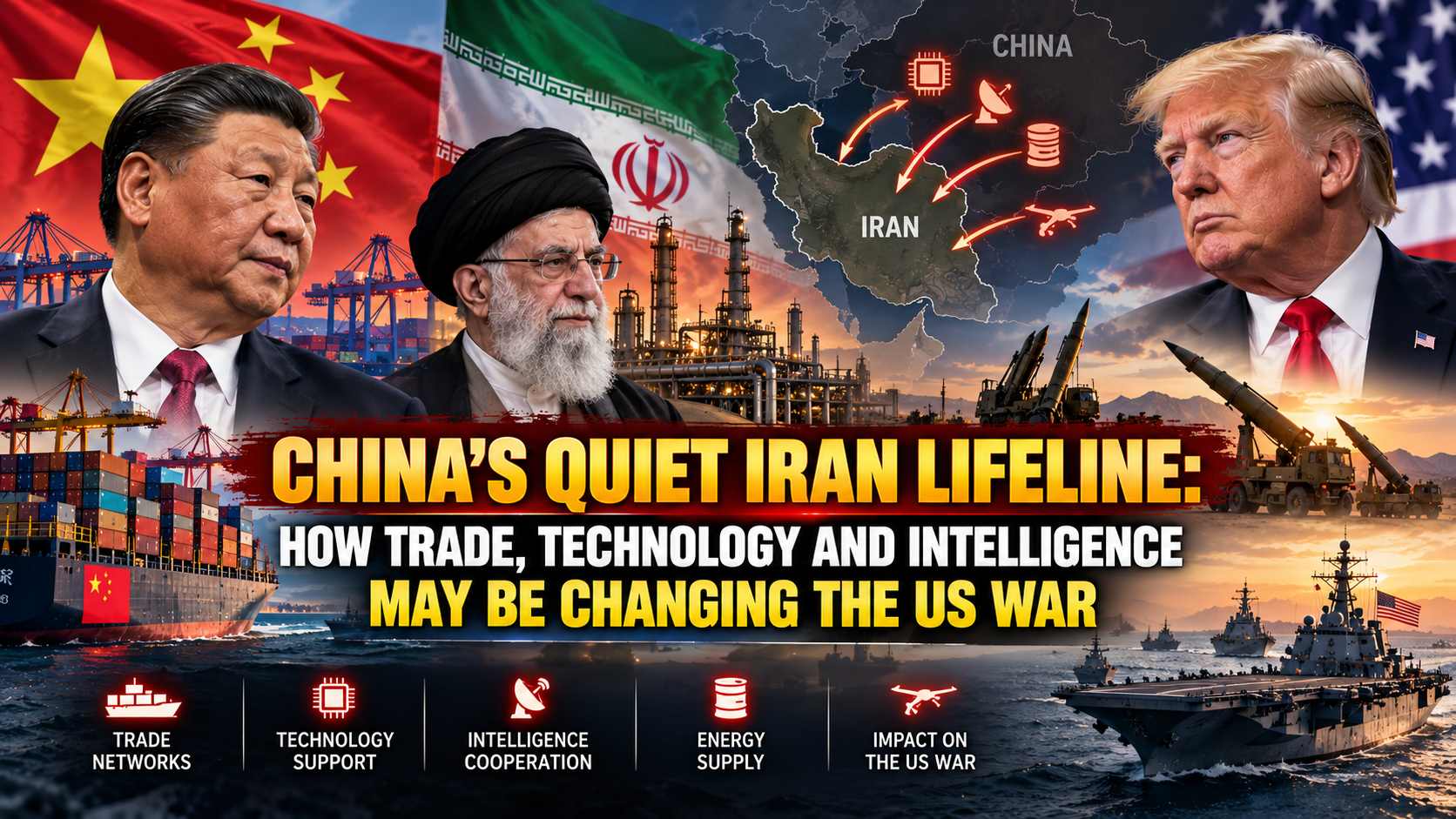
    The diplomatic standoff between the United States and Iran has entered another tense phase, with both sides exchanging sharply different messages about the possibility of negotiations. While U.S. President Donald Trump described the current moment as Iran’s “last chance” to reach a deal and avoid further escalation, Tehran rejected Washington’s approach, criticizing the ongoing U.S. naval blockade and insisting that it is not engaged in direct negotiations with the United States.

    Washington Pushes Diplomacy Alongside Military Pressure

    President Trump said the United States remains open to negotiations but warned that time is running out for Tehran to accept an agreement addressing regional security concerns and maritime tensions.

    The White House has continued to pair diplomatic messaging with military pressure, maintaining the naval blockade around Iranian ports while arguing that these measures are intended to encourage a negotiated settlement rather than a prolonged conflict.

    Tehran Denounces the Blockade

    Iranian officials have strongly criticized the U.S. blockade, describing it as unlawful and accusing Washington of attempting to use economic and military pressure to dictate the outcome of negotiations.

    Tehran also disputed Trump’s claims that direct talks are underway, with Foreign Ministry officials stating that no formal negotiations with the United States are currently taking place. According to Iranian authorities, diplomatic contacts remain limited and are being conducted through intermediaries rather than direct bilateral meetings.

    Strait of Hormuz Remains the Central Flashpoint

    At the heart of the dispute is the Strait of Hormuz, one of the world’s most strategically important shipping routes for oil and liquefied natural gas exports.

    Recent security incidents involving commercial vessels have reinforced concerns about the vulnerability of global energy supplies. Although some diplomatic signals have eased market fears, shipping activity remains under close observation as military forces continue operating in the region.

    Diplomacy Faces a Deep Trust Deficit

    Despite periodic calls for dialogue, relations between Washington and Tehran remain marked by profound mistrust.

    The United States argues that stronger security guarantees are necessary before easing sanctions or military measures, while Iran insists that meaningful negotiations cannot occur under continued economic and military pressure. These opposing positions have made progress toward a lasting agreement increasingly difficult.

    Global Markets Watching Closely

    The uncertainty has implications far beyond the Middle East.

    Energy traders, shipping companies, and governments continue to monitor developments because any disruption in the Strait of Hormuz could influence global oil prices, shipping costs, and broader economic stability. Even without a major military escalation, uncertainty alone has remained a significant factor for international markets.

    Regional Mediators Continue Quiet Efforts

    Several regional partners are continuing behind-the-scenes diplomatic efforts aimed at reducing tensions and encouraging dialogue. Analysts believe that indirect mediation may provide the most realistic path toward rebuilding communication, particularly while both Washington and Tehran maintain firm public positions.

    Looking Ahead

    The latest exchange of statements highlights the fragile balance between diplomacy and confrontation. While Washington portrays the current negotiations as a final opportunity to prevent further escalation, Tehran continues to reject what it sees as negotiations conducted under coercion.

    For now, the future of the conflict will likely depend on whether both sides can move beyond public rhetoric and find common ground through indirect diplomacy.

  • England vs France: European Giants Clash in World Cup Battle for Third Place

    Two of international football’s biggest rivals will meet one final time at the 2026 FIFA World Cup as England and France compete for third place in a match that promises far more than just a bronze medal. After narrowly missing out on the final, both nations now have an opportunity to finish their campaigns with pride, momentum, and a memorable performance on one of football’s biggest stages.

    A Chance to End the Tournament on a High

    Neither England nor France envisioned playing in the third-place playoff when the tournament began. However, after dramatic semi-final defeats, the match offers both teams an important opportunity to close out their World Cup journey with a victory.

    While the championship remains out of reach, finishing third would still represent a significant achievement and provide a positive conclusion to weeks of elite competition.

    England Seeking a Strong Response

    England enters the contest determined to bounce back after falling short against Argentina in the semi-finals. Throughout the tournament, the Three Lions demonstrated tactical discipline, defensive organization, and attacking efficiency that reinforced their status among football’s elite.

    Manager Thomas Tuchel is expected to balance experience with fresh legs, giving several squad members the opportunity to make an impact while maintaining the competitive intensity that has defined England’s campaign.

    Captain Harry Kane, playmaker Jude Bellingham, and winger Bukayo Saka are expected to remain central figures as England targets a winning finish.

    France Looking to Restore Momentum

    France also arrives eager to recover after its semi-final defeat to Spain. Despite the disappointment, Les Bleus have showcased impressive attacking football throughout the competition, supported by one of the tournament’s deepest and most talented squads.

    With world-class players capable of changing matches in an instant, France views the playoff as an opportunity to reaffirm its position among the world’s strongest football nations before turning attention to future international competitions.

    Tactical Chess Match Awaits

    The encounter is expected to feature contrasting football philosophies.

    England’s structured defensive approach and rapid transitions will be tested against France’s technical midfield and dynamic attacking movement. Possession, pressing intensity, and efficiency in front of goal are likely to determine which side gains the upper hand.

    Coaches on both benches are also expected to make strategic substitutions as they balance immediate results with opportunities for emerging talent.

    Individual Stars Could Steal the Spotlight

    Several marquee matchups could define the contest:

    • Harry Kane leading England’s attack with his clinical finishing.
    • Jude Bellingham battling for control in midfield.
    • France’s creative attackers attempting to unlock England’s disciplined defense.
    • Goalkeepers on both sides facing the challenge of containing two of Europe’s most dangerous attacking units.

    As has often been the case during this tournament, moments of individual brilliance may ultimately decide the outcome.

    More Than Just a Bronze Medal

    Although the third-place playoff does not determine the world champion, it remains an important fixture for players and supporters alike. It offers one final opportunity to compete at the highest level, reward fans with an entertaining performance, and build confidence heading into future international competitions.

    Strong performances can also influence squad selection and establish momentum before the next cycle of international tournaments begins.

    Looking Ahead

    England and France have consistently produced memorable encounters on the international stage, and this World Cup meeting promises to add another compelling chapter to their growing rivalry.

    With pride, prestige, and a podium finish at stake, both teams have every reason to approach the match with full commitment.

  • Norway vs England: World Cup Quarter-Final Pits Rising Force Against Tournament Favorite

    The road to FIFA World Cup glory narrows as Norway and England prepare for a high-stakes quarter-final clash that could define their tournament campaigns. England enters the contest as one of the favorites to lift the trophy, while Norway hopes to continue its impressive run by producing another upset on football’s biggest stage. With a semi-final berth at stake, both teams know there is little room for error.

    England Looking to Continue Title Charge

    England has impressed throughout the tournament with a balanced combination of disciplined defending, creative midfield play, and clinical finishing. Manager Thomas Tuchel has built a squad capable of controlling possession while remaining dangerous on the counterattack.

    Experienced stars such as Harry Kane, Jude Bellingham, and Bukayo Saka have played key roles in England’s journey, providing leadership and decisive moments in crucial matches. Their objective is clear—take another step toward ending the nation’s long wait for a second World Cup title.

    Norway’s Golden Generation Eyes Historic Achievement

    Norway arrives with growing confidence after producing several standout performances earlier in the competition. Led by prolific striker Erling Haaland and an energetic supporting cast, the Scandinavian side has demonstrated that it can compete with the world’s strongest teams.

    For Norway, reaching the semi-finals would represent one of the country’s greatest achievements in modern international football and further establish its emerging generation among the global elite.

    Tactical Battle Could Decide the Contest

    Football analysts expect a fascinating tactical encounter.

    England is likely to dominate possession and patiently build attacks through midfield, while Norway may rely on quick transitions and Haaland’s pace and physical presence to exploit defensive gaps. The midfield battle will be particularly important, with both teams seeking to control the tempo and create quality scoring opportunities.

    Set pieces and defensive organization could also prove decisive in what is expected to be a tightly contested match.

    Players Who Could Change the Game

    Several individual battles are expected to shape the outcome:

    • Harry Kane looking to add to his World Cup goal tally with his movement and finishing.
    • Erling Haaland attempting to break through England’s organized defensive line.
    • Jude Bellingham aiming to dictate the midfield with his creativity and work rate.
    • Bukayo Saka using his pace and dribbling to stretch Norway’s defense on the wings.

    With so much attacking talent on display, moments of individual brilliance could ultimately separate the two sides.

    Pressure Increases as Knockout Stage Intensifies

    Quarter-finals often test more than technical ability. Mental resilience, tactical discipline, and composure under pressure frequently determine who advances.

    England carries the expectations of millions of supporters hoping for another deep World Cup run, while Norway embraces the opportunity to challenge one of the tournament favorites without the same level of external pressure.

    A Match With Lasting Consequences

    Victory would secure a coveted place in the World Cup semi-finals and move the winner within touching distance of football’s biggest prize. Defeat, however, would bring an immediate end to months of preparation and hard work.

    Both teams understand that knockout football offers no second chances, making every decision, tackle, and scoring opportunity potentially season-defining.

    Looking Ahead

    The England–Norway quarter-final represents more than a battle for a place in the last four—it showcases two teams with different footballing traditions but the same ambition of reaching the World Cup summit.

  • Rain Set to Return Across the UK, But Drought-Hit Wales May See Little Relief

    After weeks of scorching temperatures and record-breaking dry conditions, rain is finally forecast to return to parts of the United Kingdom this weekend. However, weather experts caution that the expected showers are unlikely to bring enough water to significantly ease drought conditions that have already taken hold across large parts of Wales and England.

    A Long-Awaited Change in the Weather

    The UK has endured one of its driest summers on record, with prolonged heatwaves leaving rivers, reservoirs, and farmland under increasing pressure. Forecast models now indicate that a band of rain will move across parts of the country during the weekend, offering a welcome break from the persistent dry spell.

    While many residents will welcome cooler temperatures, meteorologists say rainfall totals are expected to vary considerably, with some drought-affected areas receiving only light showers.

    Wales Faces Growing Water Stress

    Natural Resources Wales has declared drought conditions across large parts of the country following months of exceptionally low rainfall. The prolonged lack of precipitation has reduced river flows, affected agriculture, and increased pressure on public water supplies.

    Officials warn that a single weekend of rain will not reverse months of accumulated rainfall deficits, particularly in areas where soil moisture has been severely depleted.

    Why a Weekend of Rain Isn’t Enough

    Although rain may temporarily improve surface conditions, hydrologists explain that recovering from drought requires sustained rainfall over weeks or even months.

    Much of the expected precipitation is likely to be absorbed by extremely dry ground before reaching rivers and reservoirs. In addition, localized showers may leave some communities with little measurable rainfall despite broader forecasts suggesting wetter conditions.

    Farmers and Water Suppliers Remain on Alert

    The extended dry spell has already affected crop production, livestock management, and water resources across several regions. Water companies continue urging customers to conserve supplies, while hosepipe bans remain in place for millions of people in some parts of the UK.

    Agricultural groups have warned that continued drought conditions could reduce harvest yields and place additional pressure on food production if wetter weather does not become more consistent.

    Climate Patterns Raising New Concerns

    Meteorologists note that the current drought follows one of the hottest and driest Julys ever recorded in England and Wales. The combination of prolonged heat and limited rainfall has contributed to increased wildfire risks, stressed ecosystems, and unusually low river levels.

    Climate researchers say such extreme weather events are becoming more frequent, reinforcing the need for long-term planning to improve water resilience and adapt to changing climate conditions.

    Looking Ahead

    The return of rain offers a welcome change after weeks of relentless sunshine, but experts emphasize that it should be viewed as the beginning of potential recovery rather than the end of the drought. Much will depend on whether wetter weather continues through the coming weeks.

  • England Edges France 6–4 in World Cup Classic as Bukayo Saka Shines and Kylian Mbappé Makes History

    Football fans witnessed one of the most unforgettable matches in FIFA World Cup history as England defeated France 6–4 in a breathtaking third-place playoff that produced ten goals, dramatic momentum swings, and multiple record-breaking performances. While Bukayo Saka inspired England with a stunning hat-trick, Kylian Mbappé etched his name into football history by becoming the tournament’s all-time leading goalscorer.

    England’s Explosive First Half Leaves France Reeling

    England wasted no time asserting control in Miami, racing into a commanding 4–0 halftime lead. Declan Rice opened the scoring within minutes before Ezri Konsa doubled the advantage. Bukayo Saka then struck twice before the break, putting Thomas Tuchel’s side in complete command and leaving France facing an uphill battle.

    The Three Lions appeared on course for a comfortable victory after one of their most dominant first-half displays of the tournament.

    Mbappé Sparks an Incredible French Comeback

    France refused to surrender. Led by their captain Kylian Mbappé, Les Bleus produced a remarkable second-half response.

    Mbappé scored twice and also played a key role in France’s attacking resurgence as Bradley Barcola and Ousmane Dembélé added goals, reducing England’s once-comfortable lead and creating a thrilling finish. For several minutes, a dramatic comeback looked genuinely possible.

    Saka Delivers the Final Blow

    Just as France threatened to complete the comeback, Bukayo Saka stepped forward once again.

    The Arsenal winger calmly converted a late penalty to complete his hat-trick before Jude Bellingham sealed the victory with a stoppage-time goal after a brilliant solo run. England ultimately secured a memorable 6–4 victory, earning third place in spectacular fashion.

    Records Tumbled Throughout the Night

    The extraordinary contest produced a series of remarkable milestones:

    • Bukayo Saka became England’s hero with a World Cup hat-trick.
    • Kylian Mbappé reached 22 career World Cup goals, surpassing Lionel Messi as the competition’s all-time leading scorer.
    • The match became the highest-scoring third-place playoff in FIFA World Cup history.
    • The ten goals made it the highest-scoring men’s World Cup match since 1982 and the first-ever 6–4 scoreline in the tournament’s history.

    A Match That Showcased Football at Its Most Entertaining

    Although the bronze-medal match does not decide the world champion, it delivered the kind of attacking football rarely seen on the sport’s biggest stage.

    England demonstrated ruthless finishing during the first half, while France showed remarkable determination by nearly overturning a four-goal deficit. The contest became a showcase of fearless attacking play, individual brilliance, and relentless intensity from both teams.

    A Positive Ending for England, A Historic Night for Mbappé

    For England, the victory secured its best World Cup finish since lifting the trophy in 1966 and offered a strong conclusion after the disappointment of missing out on the final. Thomas Tuchel’s squad ended the tournament with renewed confidence and optimism for the future.

    France, meanwhile, left Miami empty-handed but with one major consolation. Mbappé’s record-breaking performance further strengthened his reputation as one of football’s greatest World Cup performers, even though his historic achievement came in defeat.

    Looking Ahead

    The England–France showdown will be remembered not simply because of the final score, but because it captured everything that makes the FIFA World Cup special—dramatic twists, unforgettable goals, record-breaking performances, and world-class talent competing without restraint.

  • Ben Stokes Bids Farewell to International Cricket, Ending One of England’s Greatest All-Round Careers

    England cricket enters a new era as Ben Stokes has announced his retirement from international cricket, bringing the curtain down on a remarkable 15-year career that transformed him into one of the country’s most influential players. The legendary all-rounder confirmed that the ongoing third Test against New Zealand would be his final appearance in England colours, closing a chapter filled with unforgettable performances, inspirational leadership, and historic triumphs.

    A Career Defined by Match-Winning Moments

    Few cricketers have shaped modern English cricket like Stokes. Since making his international debut in 2011, he built a reputation for delivering under immense pressure with both bat and ball.

    Among his most iconic achievements were his unbeaten 84 in the 2019 ICC Men’s Cricket World Cup Final, which helped England lift its first-ever ODI World Cup, and his unforgettable 135 not out at Headingley during the 2019 Ashes, widely regarded as one of the greatest Test innings ever played.

    The Physical and Mental Toll

    Explaining his decision, Stokes revealed that retirement had been building in his mind for some time. Despite recovering from injuries and dedicating months to regaining peak fitness, he admitted that the physical and emotional demands of international cricket had become increasingly difficult to sustain.

    He said the Lord’s Test earlier in the summer made him realize that his body and mind were no longer responding the way they once had, prompting him to make what he described as the toughest decision of his career.

    A Captain Who Changed England’s Identity

    Beyond his individual brilliance, Stokes reshaped England’s approach to Test cricket after becoming captain.

    His fearless leadership encouraged aggressive cricket, positive intent, and unwavering belief even in difficult situations. Under his guidance, England embraced an attacking philosophy that revitalized the Test team and produced several memorable victories against top opposition.

    Teammates and coaches frequently praised his ability to inspire confidence and lead by example, whether through a match-winning innings, a crucial spell with the ball, or relentless commitment in the field.

    A Trophy Cabinet Few Can Match

    Stokes retires with one of the most decorated international careers in English cricket.

    His achievements include:

    • ICC Men’s Cricket World Cup winner (2019)
    • ICC Men’s T20 World Cup winner (2022)
    • Multiple Ashes victories
    • England Test captain
    • More than a decade as one of the world’s premier all-rounders

    These accomplishments cement his place among England’s greatest cricketers of the modern era.

    England Faces a New Chapter

    Stokes’ retirement leaves a significant leadership and all-rounder void within the England setup. The England and Wales Cricket Board has already begun preparing for the future, with experienced batter Joe Root returning to the Test captaincy as the team begins a new phase.

    While replacing a player of Stokes’ influence will be difficult, England’s next generation now has the opportunity to build on the culture of resilience and attacking cricket that he helped establish.

    A Legacy Beyond Statistics

    Numbers alone cannot fully capture Stokes’ impact on the game.

    His willingness to embrace pressure, recover from setbacks, and deliver in cricket’s biggest moments made him one of the defining players of his generation. Whether rescuing England from impossible situations or inspiring teammates through his leadership, Stokes consistently demonstrated qualities that extended far beyond runs scored or wickets taken.

    His career also highlighted the growing importance of athlete well-being, as he openly acknowledged the mental and physical challenges associated with elite international sport.

    Looking Ahead

    Ben Stokes leaves international cricket not only as one of England’s finest all-rounders but also as a player who redefined what leadership and resilience could look like on the cricket field.

    Although his international journey has come to an end, his influence on English cricket is expected to endure for years to come.