 alhodhodnews
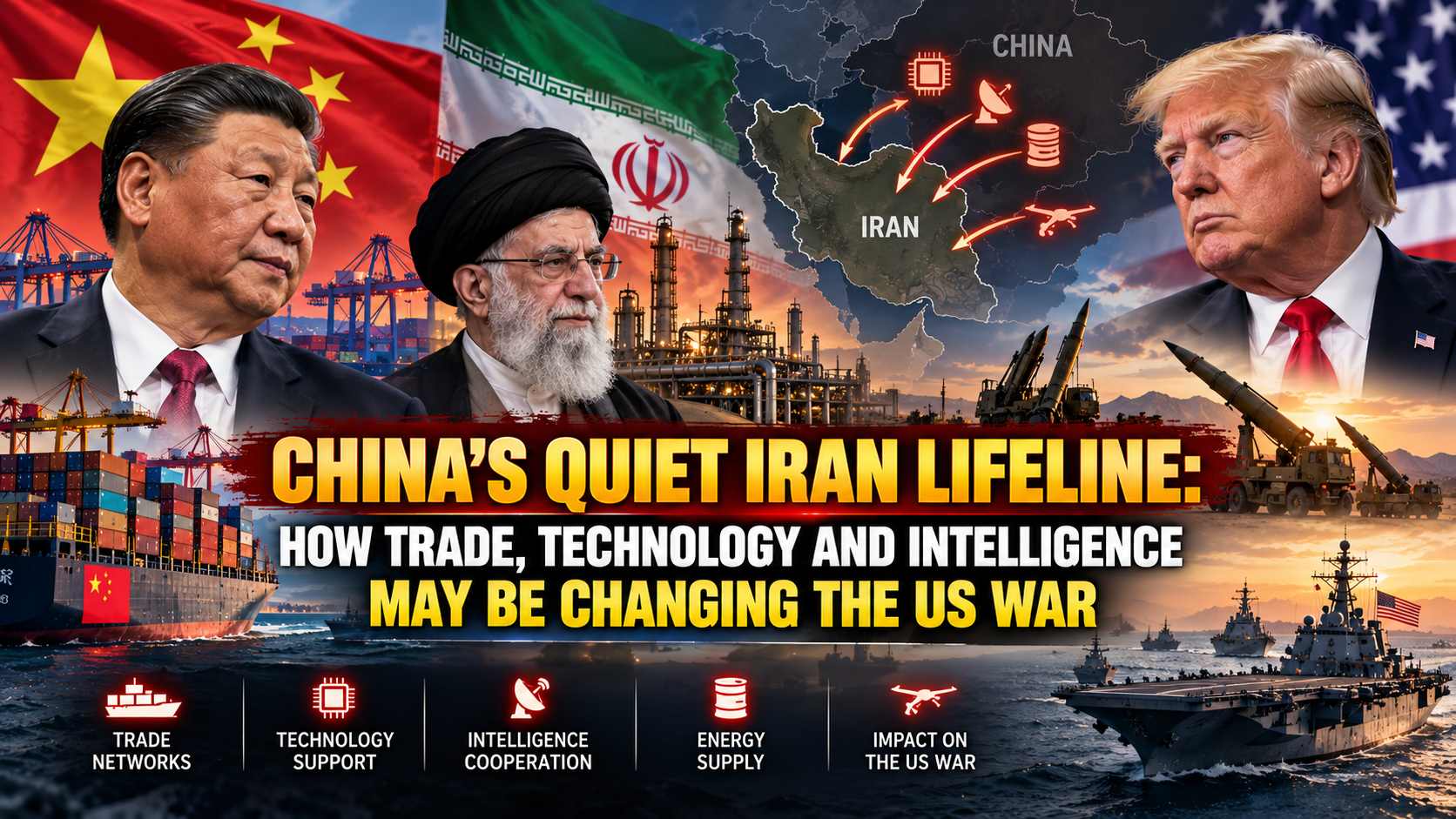
The diplomatic standoff between the United States and Iran has entered another tense phase, with both sides exchanging sharply different messages about the possibility of negotiations. While U.S. President Donald Trump described the current moment as Iran’s “last chance” to reach a deal and avoid further escalation, Tehran rejected Washington’s approach, criticizing the ongoing U.S. naval blockade and insisting that it is not engaged in direct negotiations with the United States.
Washington Pushes Diplomacy Alongside Military Pressure
President Trump said the United States remains open to negotiations but warned that time is running out for Tehran to accept an agreement addressing regional security concerns and maritime tensions.
The White House has continued to pair diplomatic messaging with military pressure, maintaining the naval blockade around Iranian ports while arguing that these measures are intended to encourage a negotiated settlement rather than a prolonged conflict.
Tehran Denounces the Blockade
Iranian officials have strongly criticized the U.S. blockade, describing it as unlawful and accusing Washington of attempting to use economic and military pressure to dictate the outcome of negotiations.
Tehran also disputed Trump’s claims that direct talks are underway, with Foreign Ministry officials stating that no formal negotiations with the United States are currently taking place. According to Iranian authorities, diplomatic contacts remain limited and are being conducted through intermediaries rather than direct bilateral meetings.
Strait of Hormuz Remains the Central Flashpoint
At the heart of the dispute is the Strait of Hormuz, one of the world’s most strategically important shipping routes for oil and liquefied natural gas exports.
Recent security incidents involving commercial vessels have reinforced concerns about the vulnerability of global energy supplies. Although some diplomatic signals have eased market fears, shipping activity remains under close observation as military forces continue operating in the region.
Diplomacy Faces a Deep Trust Deficit
Despite periodic calls for dialogue, relations between Washington and Tehran remain marked by profound mistrust.
The United States argues that stronger security guarantees are necessary before easing sanctions or military measures, while Iran insists that meaningful negotiations cannot occur under continued economic and military pressure. These opposing positions have made progress toward a lasting agreement increasingly difficult.
Global Markets Watching Closely
The uncertainty has implications far beyond the Middle East.
Energy traders, shipping companies, and governments continue to monitor developments because any disruption in the Strait of Hormuz could influence global oil prices, shipping costs, and broader economic stability. Even without a major military escalation, uncertainty alone has remained a significant factor for international markets.
Regional Mediators Continue Quiet Efforts
Several regional partners are continuing behind-the-scenes diplomatic efforts aimed at reducing tensions and encouraging dialogue. Analysts believe that indirect mediation may provide the most realistic path toward rebuilding communication, particularly while both Washington and Tehran maintain firm public positions.
Looking Ahead
The latest exchange of statements highlights the fragile balance between diplomacy and confrontation. While Washington portrays the current negotiations as a final opportunity to prevent further escalation, Tehran continues to reject what it sees as negotiations conducted under coercion.
For now, the future of the conflict will likely depend on whether both sides can move beyond public rhetoric and find common ground through indirect diplomacy.